Your Rights as a Tenant in Dubai (2026)
What your landlord must do, what you must do, and how to resolve a disagreement.

Dubai's tenancy rules give both tenants and landlords clear rights. Knowing them helps you avoid problems and handle any that arise.
01. A registered contract
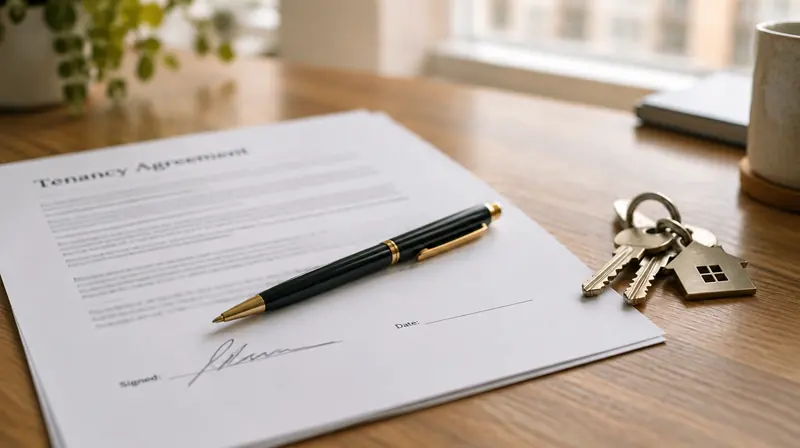
Your tenancy should be registered on Ejari. A registered contract is the basis for your rights, including the rules on rent increases and notice.
02. Maintenance
Landlords are generally responsible for major maintenance and structural repairs, while tenants handle minor upkeep and keep the property in good condition. The contract should set this out, so read it before you sign and report any problem in writing.
03. Rent increases
Increases at renewal follow the Smart Rental Index, with at least 90 days' written notice. See the details in rent increase rules in Dubai.
04. If the landlord wants the property back
A landlord who wants to sell the property or live in it must generally give 12 months' notice through a notary public or registered mail. An email or chat message does not count. Notices that do not follow the rules may not be valid, so keep every document and get advice if you receive one.
05. Your deposit
The deposit should be returned at the end of the tenancy, minus the cost of any damage beyond normal wear. Photos from the start and end of the tenancy are your best protection.
06. If you cannot agree
Start by discussing the issue in writing with your landlord. If that does not work, the Rental Disputes Centre handles tenancy disputes in Dubai, and fees apply based on the claim.
07. Your own responsibilities
Pay rent on time, keep the property in good condition, and do not sublet or make major changes without permission.
Return to the Tenant's Guide, or read about Ejari, deposits and cheques.
Official sources: Dubai Land Department: tenancy guide and laws
Have a question about your tenancy? Speak to our team.